
Rainy Days and Muddy Paws: Keeping Your Pets Healthy Through the Wet Season
From June through August, the skies over Lake Chapala open up and the landscape transforms. The hills go green, the air cools, and the streets fill with water. It is one of the most beautiful times of year at Lakeside. It is also one of the trickiest times of year if you share your home with a dog or a cat.
Leissa Gebert
6/21/20262 min read
This one surprises many pet owners. Humidity accelerates the spoilage of dry kibble. A bag of food left open in a damp environment can develop mold long before it looks or smells off to us.
Store pet food in a sealed container — even a simple plastic bin with a lid makes a significant difference. Keep it off the floor and away from exterior walls where moisture seeps in. If food smells musty or looks clumped, it is safer to discard it.
For families with limited resources, losing a bag of food to mold is not a small thing. This is one reason why the Pet Food Bank Lakeside distributes food regularly rather than in large bulk quantities — fresher is safer, especially during the wet months.
Keeping Food Fresh and Safe
The wet season brings a specific set of challenges for pets and the families who care for them. Mud, moisture, and standing water create conditions that can affect your animal's health in ways that are easy to overlook.
The good news is that a little awareness goes a long way.
Muddy Paws and Skin Irritation
The evening thunderstorms at Lakeside during the rainy season can be intense. For many dogs and some cats, the combination of thunder, lightning, and heavy rain is genuinely frightening.
Signs of storm anxiety include panting, pacing, hiding, trembling, and in some cases destructive behavior. Creating a safe, quiet space for your pet during storms helps — a familiar blanket, a covered crate, or simply a calm presence from you.
For pets with severe anxiety, a conversation with your veterinarian about options is worthwhile. There are both behavioral approaches and, when needed, medications that can help.
The families the Pet Food Bank serves often have fewer options when it comes to veterinary care. Part of our mission is making sure that access to food — at minimum — is never a barrier to keeping a beloved pet.
Storms, Noise, and Anxious Pets
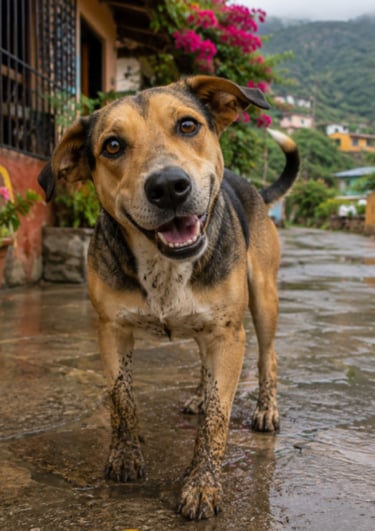
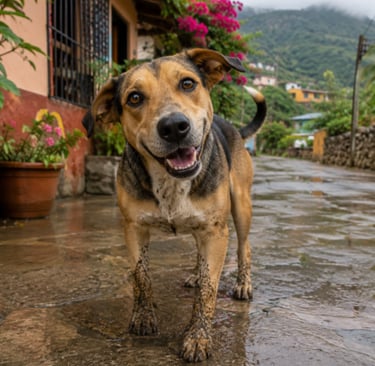
Dogs especially tend to come inside carrying the wet season with them — mud between the toes, damp fur, and the particular smell that only a wet dog can produce.
Beyond the mess, prolonged moisture on the skin can lead to irritation, fungal infections, and hot spots. A quick wipe-down after outdoor time makes a real difference. Pay special attention to paws, underbelly, and ears — areas where moisture tends to collect and linger.
For cats who venture outside, the same applies. Wet fur that stays wet is an invitation for skin problems.
Standing Water and Hidden Risks
The wet season brings another concern that is easy to underestimate: standing water.
Puddles and flooded areas can harbor bacteria, parasites, and the bacteria that causes leptospirosis — a serious illness that dogs can contract by drinking from or walking through contaminated water. It is more common during the rainy season when runoff carries waste into low-lying areas.
If your dog tends to drink from puddles, this is the season to be especially watchful. Keep fresh water available at all times so they are less tempted. If you notice symptoms like lethargy, vomiting, loss of appetite, or unusual thirst, contact a veterinarian.
Leptospirosis is preventable with vaccination. If your dog is not current on this vaccine, the start of the wet season is a good time to check.
LINKS AND CITATIONS
American Veterinary Medical Association — Leptospirosis information: https://www.avma.org/resources-tools/animal-health-and-welfare/animal-health/leptospirosis
ASPCA — Disaster preparedness and pet safety: https://www.aspca.org/pet-care/general-pet-care/disaster-preparedness
Humane Society — Hot spots and skin care in dogs: https://www.humanesociety.org/resources/how-care-your-dogs-skin-and-coat
American Kennel Club — Storm anxiety in dogs: https://www.akc.org/expert-advice/health/thunder-anxiety-in-dogs/
General Contact Email
[and to schedule cash donation pickup]:
© 2026 All rights reserved.
Site designed and managed by Leissa Gebert Design